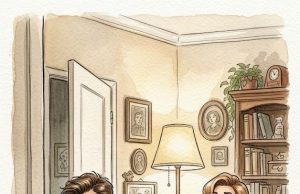
My ten-year-old daughter lost her father when she was three, and for years it was just the two of us.
Then I married Daniel, who embraced Emma completely—packing her lunches, helping with school projects, reading to her every night. He became her dad in every way that mattered.
But his mother, Carol, refused to see her that way.
“It’s sweet that you pretend she’s your real daughter,” she once told him. Another time: “Stepchildren never feel like true family.” And the cruelest: “She must remind you of her dead father. That must be hard.”
Daniel always shut it down, but the comments never stopped. We coped by limiting contact and keeping things polite.
Until Carol crossed a line so vicious it changed everything.
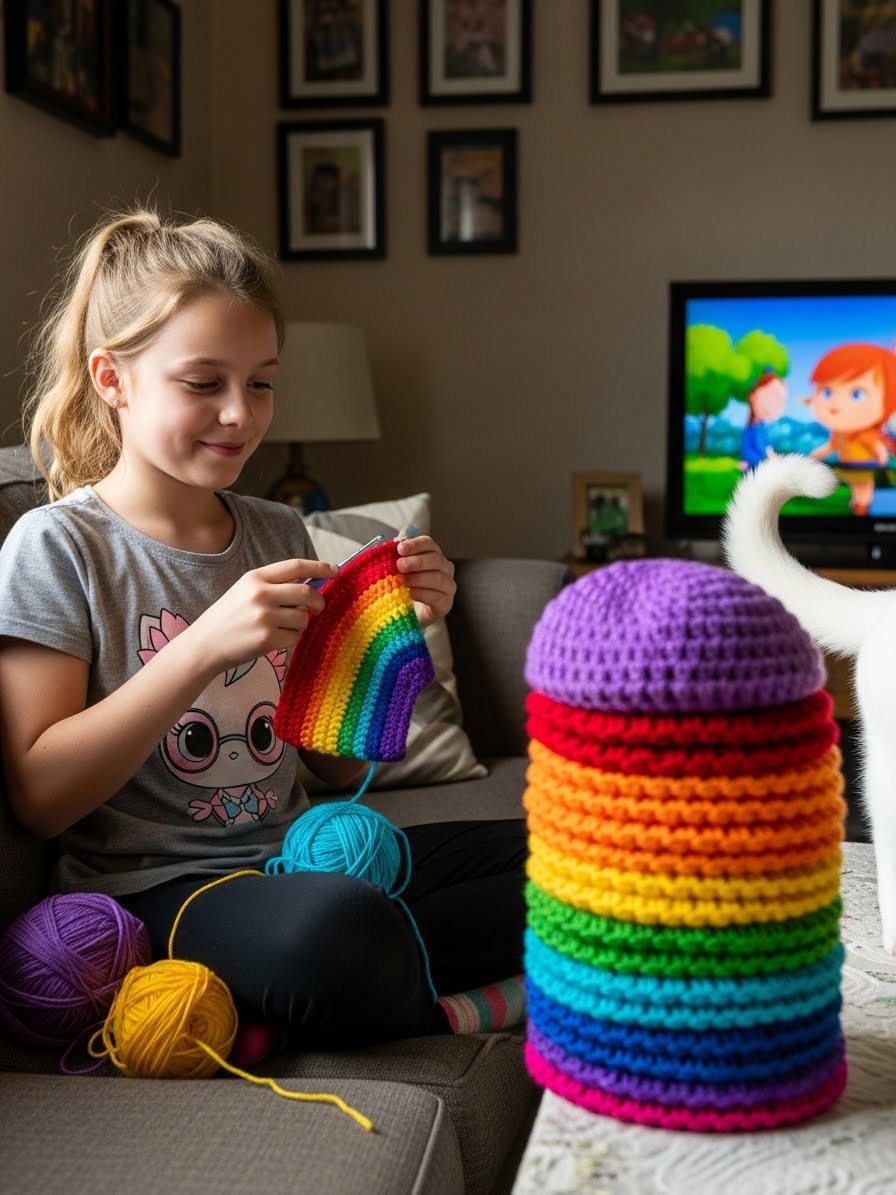
Emma has always had a compassionate heart. When December arrived, she decided she wanted to crochet 80 hats for children spending the holidays in hospices. She taught herself through YouTube and used her allowance to buy yarn. Every day after school, she’d finish homework, grab a snack, and settle into the comforting rhythm of crocheting.
I was so proud of her. She had just finished hat number 80 when Daniel left for a two-day business trip.
And in his absence, Carol saw her opportunity.
Whenever Daniel travels, she likes to “check in.” That afternoon, Emma and I came home with groceries. She ran to her room to pick out colors for her final hat.
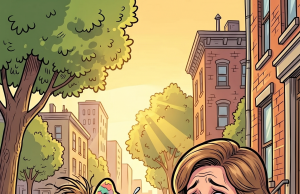
Five seconds later, she screamed.
I dropped everything and ran. Emma was on the floor sobbing, and her bag of completed hats—the ones she’d spent months working on—was gone.
Behind me, Carol stood calmly sipping tea from one of my best cups.
“If you’re looking for the hats,” she said, “I threw them away. They were a waste of time. Why should she spend money on strangers?”
“You threw away 80 hats meant for sick children?” I could barely form the words.
Carol shrugged. “They were ugly. Poor stitching, bad colors. And she’s not my blood, so she doesn’t represent my family. Don’t encourage useless hobbies.”
Emma clung to me, heartbroken. I wanted to scream at Carol, but Emma needed comfort more than confrontation. After putting her to bed, I searched every trash bin around—but the hats were nowhere.
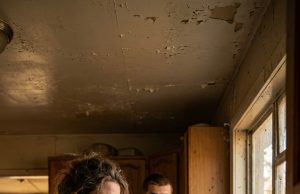
When Daniel finally came home, Emma burst into tears the moment he mentioned the hats. I pulled him aside and told him everything. His expression shifted from confusion, to horror, to a quiet, dangerous rage.
He sat with Emma, promised she’d never be hurt by Carol again, then grabbed his keys and left to “fix it.”
Two hours later, he returned with a large trash bag.
Carol arrived shortly after, expecting a “surprise.”
Daniel opened the bag—and revealed every single hat.
He had dug through Carol’s apartment building dumpster to rescue them.
“This isn’t a hobby,” he told her. “It’s a gift for sick children. And you destroyed it.”
Carol rolled her eyes. “You went dumpster-diving for this? They’re ugly.”
Daniel snapped. “They’re not ugly. And you didn’t just insult the hats—you insulted MY daughter.”
Carol snarled, “She’s not your daughter.”
That was it.
“Get out,” Daniel said. “We’re done. You don’t talk to Emma, and you don’t visit.”
Carol turned to me. “Are you letting him do this?”
“Absolutely,” I replied. “You chose to be toxic.”
She stormed out, slamming the door.
In the following days, Emma didn’t crochet at all. Her joy had been stolen—until Daniel came home with a huge box of new yarn and supplies.
“If you want to start over, I’ll help,” he said. “Will you teach me to crochet?”
Emma laughed for the first time in days. They sat together, learning, practicing, creating. Two weeks later, they had all 80 hats again.
The hospice later emailed, thanking Emma and sharing photos of children wearing them.
The post went viral. Emma proudly replied from my account: “My daddy helped me remake them because my grandma threw the first ones away.”
Carol called Daniel sobbing, begging him to make the post disappear.
“The hospice posted it,” he said coldly. “And if you don’t like people knowing what you did, you should’ve behaved better.”
“You earned it.”
Now, Emma and Daniel crochet together every weekend. Our home is peaceful again, filled with their soft laughter and the gentle click of hooks.
Carol still texts on holidays, asking to “fix things,” but Daniel always replies with the same final word:
No.