PART 1: THE INVISIBLE DAUGHTER AND THE WINNING TICKET
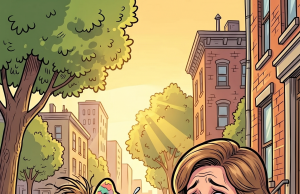
It happened on a Tuesday—nothing remarkable about it. Just a damp, colorless afternoon in Columbus, Ohio, where the sky hung low in a bruised shade of purple and peach, and the air smelled of rain-soaked pavement.
I was at a gas station on High Street, leaning against my car while the tank filled, when I bought the ticket. It wasn’t planned. Just an impulse. I had five dollars in loose change and picked up a Diamond 7s scratch-off to pass the time.
My name is Elise Turner, and for twenty-eight years, I’ve lived like a shadow inside my own family.
In our photos, you’d see my parents glowing with pride—and my younger sister, Natalie, the center of everything. She was the miracle child. The one who received dance lessons, brand-new cars, a fully paid college education, and constant praise for existing.
And then there was me.
The extra.
The one who worked while studying.
The one driving an aging Honda with a rusted bumper.
The one expected to help, stay quiet, and never take up space.
I scratched the ticket in my car, surrounded by traffic noise and the stale smell of worn upholstery—and my heart stopped.
$2,500,000.
For a moment, everything went silent. My hands shook so badly the ticket slipped between the seats, and I had to bend down to retrieve it while gasping for air. After taxes and a lump-sum payout, it would be around $1.6 million.
Not private-island money—but for someone who checked her bank balance before buying coffee, it was freedom.
And yet, my first emotion wasn’t joy.
It was terror.
Because I knew my family.
If they found out, the money wouldn’t belong to me.
It would become ours.
Natalie’s wedding.
My parents’ retirement.
Their demands.
Until nothing was left—except my “honor” of having helped.
So I did something I had never done before.
I stayed silent.
I didn’t call home. I didn’t celebrate. I drove to a park, sat alone on a bench, and called a financial advisor named Simon Brooks, recommended by the only wealthy friend I had.
“I need to protect this,” I told him, my voice shaking. “I need it untouchable.”
For two weeks, I lived a double life.
By day, I was the same quiet Elise, listening as my mother complained about Natalie’s expensive wedding and hinted I should “contribute more.”
By night, Simon and I finalized trusts, investment strategies, and legal protections.
The money cleared into my irrevocable trust on a Friday.
I told my family on Sunday.
THE SUNDAY FROM HELL
We were at my parents’ house for dinner. The air conditioner was broken, and the place felt suffocating. Natalie had already had several glasses of wine, complaining loudly that her fiancé, Mark, refused to upgrade their honeymoon to a luxury suite.
“He’s selfish,” she sighed. “This is my moment.”
My father agreed enthusiastically. “He should be grateful to have you.”
I took a breath and placed a photocopy of the ceremonial lottery check on the table.
“I have news,” I said.
The silence that followed wasn’t excitement—it was indifference.
“I won the lottery,” I continued. “Two and a half million dollars.”
For ten seconds, no one spoke.
Then my mother gasped.
My father leaned forward, eyes burning with calculation.
But Natalie’s reaction froze my blood.
She smiled slowly. Sharply.
“Oh my God,” she whispered. “We’re rich.”
My mother immediately started planning. “We can pay off the house! And Natalie’s wedding—we can finally do Italy!”
My father nodded. “Family supports family. Half for us. Half for you. Fair.”
Natalie scoffed. “Elise doesn’t need money. No kids, no mortgage, no life. I deserve most of it.”
I stood there, stunned.
“I’m not giving anyone half,” I said calmly. “This money is mine.”
The air turned poisonous.
My mother’s smile vanished. “Don’t be selfish.”
“Selfish—for keeping my own money?”
“You owe us,” my father shouted. “We raised you!”
“And you’re jealous,” my mother hissed. “Natalie shines. You just… exist.”
That sentence broke something permanent.
I grabbed my bag.
“If you walk out with that money,” my father yelled, “don’t come back!”
So I left.
THE FIRE
I barely slept. At dawn, a sharp chemical smell woke me.
Smoke.
I ran outside—and saw them.
My parents and Natalie stood in the courtyard with a rusted barrel. Flames leapt upward.
My father held the ceremonial check.
“Stop!” I screamed.
“If you won’t share,” my mother said smugly, “you won’t see a cent.”
Natalie laughed. “Burn it!”
My father tossed the paper into the fire. I watched the numbers curl, blacken, and vanish.
They waited for me to break.
Instead, I laughed.
Deep. Uncontrolled.
“You think that was real?” I asked, wiping tears from my eyes. “That was a copy. The real ticket was cashed weeks ago. The money is protected. Untouchable.”
Their faces drained of color.
“You didn’t burn my future,” I said. “You burned your access to me.”
I walked away and called the police.

PART 2: THE LAWSUIT
A month later, my parents sued me.
They claimed emotional damages, broken promises, and financial loss—demanding $1.5 million.
Simon remained calm. “This is extortion. They’re desperate.”
In court, my mother cried theatrically. My father rewrote history. Natalie smirked.
Then Simon presented video footage.
Security camera footage.
The fire.
The laughter.
The destruction.
The judge looked disgusted.
“Case dismissed,” she ruled. “Any further harassment will result in penalties.”
Outside the courtroom, Natalie begged me for help.
“Get a job,” I said—and walked away.
PART 3: THE LIFE I CHOSE
I moved to a quiet coastal town in Maine. Bought a small cabin overlooking the ocean. Started a consulting business helping nonprofits. Adopted a rescue dog named Scout.
The silence that followed felt like peace.
Natalie tried crowdfunding her “lost inheritance.” It failed.
They turned on each other.
I built something new.
On my twenty-ninth birthday, I sat by a gentle fire with new friends—chosen family.
And I understood something at last:
Money didn’t save me.
I saved myself.
That fire didn’t destroy my future.
It lit the way forward.