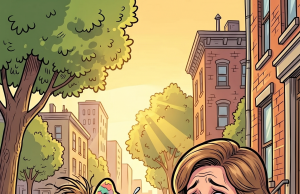
Her words spilled out sharp and cruel, each one landing like venom.
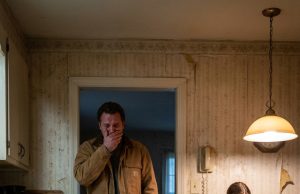
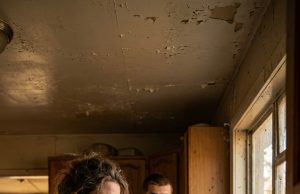
Cristina stood in the doorway of the room I had called mine for three years, arms folded tight, her face twisted with contempt.
“It’s settled, Guillermo. Leave. Go rot on the street if you have to, but you’re not staying here another night. This is my house. Not ours. David’s house—my house.”
As if the years I spent there meant nothing. As if helping cover rent with my small boarding-house income, watching my grandchildren every afternoon, and fixing every broken hinge, pipe, and floorboard with my own aging hands counted for nothing.
I am seventy-four years old. A retired carpenter. My fingers are gnarled from arthritis, my spine bent from five decades of labor. And now my daughter-in-law—someone I’d known barely five years—was discarding me like refuse.
I answered calmly. At my age, I’ve learned that raising your voice never changes a thing.
“Cristina,” I said, “David knows about this?”
She didn’t hesitate. “He agrees. We talked last night. We’re tired of taking care of an old man who brings nothing but problems.”
Problems? I asked myself. What had I broken? What had I done?
“This house is too small,” she continued. “We need that room so David can work from home and earn more. Money for our children. Not to support a useless old man.”
The words cut, but I didn’t react. Some people only reveal who they truly are when they believe they have power over you.
“I understand,” I said quietly.
She looked startled. “That’s it? You understand?”
“Yes. You want me gone. I’ll go.”
“Good. You have until tomorrow.”
“I’ll need at least a week to find somewhere.”
“I don’t care. Tomorrow, or I’ll call the police and say you threatened me. Who do you think they’ll believe—me, or a senile old man?”
Something shifted inside me. She noticed, because she stepped back.
“What?” she snapped.
“Nothing,” I said. “Only that a gift will arrive for you tomorrow.”
She laughed bitterly. “A gift? You’ve lost your mind.”
She turned and walked away, heels striking the wooden floor I had repaired myself the year before.
I sat on the narrow bed in that small room—the room I’d moved into after my wife Rosa died, when David insisted I come live with them.
“Family,” he had said.
Family. A word with many meanings.
I took out my old phone and dialed a number I’d saved six months earlier, when I first sensed this day would come.
“Mr. Ruiz? This is Guillermo Santos. It’s time to activate the plan.”
That evening, I packed everything I owned: clothes, tools collected over a lifetime, books, and photos of Rosa. It all fit into two suitcases and a few boxes.
David came home late. He didn’t speak to me. I heard laughter from the kitchen, wine glasses clinking—celebration, perhaps.
At eight, my grandson Pablo knocked softly.
“Mom says you’re leaving tomorrow.”
“Yes.”
“Did I do something wrong?”
“No, my boy. You did nothing.”
He hugged me and cried. I lied when I told him we’d see each other soon. I knew Cristina would never allow it.
The next morning, a moving truck arrived. I’d already rented a tiny studio—€450 a month, all my pension could manage.
Cristina watched with satisfaction. David avoided my eyes.

“This is best for everyone,” he said.
I didn’t argue.
As the taxi pulled away, I saw Cristina smiling in the doorway.
At 2 p.m., my phone rang.
“The package was delivered,” Mr. Ruiz said. “Signed by Cristina.”
Perfect.
Minutes later, the calls began. Cristina. David. Over and over.
At five, I answered.
“What are these documents?” David demanded. “They say you own the house. That you’re ending our lease.”
“That’s correct.”
He was stunned. He thought they were buying the house. They weren’t.
Years earlier, Rosa’s life insurance had allowed me to quietly purchase it through a holding company. I rented it to them—below market—so my name never appeared.
“This is manipulation,” David accused.
“No,” I said. “This is foresight.”
They had thirty days to leave. Exactly thirty times the notice they’d given me.
Cristina showed up days later, desperate, begging. I reminded her of her words: Go die in the street.
Words have consequences.
Eventually, they moved. Life became harder for them. I sold the house cheaply to a young family who loved it. I bought myself a modest, comfortable apartment. I donated money to shelters for abandoned elderly people.
The rest went into a trust.
When I die, everything will go to my grandchildren—with conditions. Respect matters. Treatment matters.
Sometimes I wonder if I was too harsh.
Then I remember Cristina’s voice.
And I know I did what was necessary.
Because family is not blood alone.
It is dignity.
And once that is gone, every debt must be paid.